

Foam Rolling Hub · Evidence
Foam Rolling for DOMS (Muscle Soreness)
How foam rolling fits into managing delayed onset muscle soreness.
How Grounded earns trust
Evidence explained. Limits made clear.
Editorial approach. We link original research, separate findings from practical interpretation and state when evidence is limited.
Athlete safety. Our content is general education, not diagnosis or medical advice. Pain and injury need qualified assessment.
Quick answer
The short version
- Rolling modestly reduces perceived soreness
- Gentle pressure only on very sore muscles
- Gradual training progression prevents most DOMS
DOMS is the stiffness and tenderness that peaks 24–72 hours after unfamiliar or hard exercise. Foam rolling can take the edge off it, but it will not make it disappear.
What the evidence says
A 2024 systematic review found foam rolling after exercise can modestly reduce soreness. The effect is real but small.
How to roll with DOMS
- Lower pressure than normal
- Slow, broad passes rather than pausing on spots
- 60–90 seconds per area, once or twice a day
- Follow with light walking or cycling
What matters more
Sleep, adequate protein and total energy, and gradual increases in training load. Sharp, localised pain, swelling or dark urine after exercise are not DOMS and need medical attention.
Research referenced
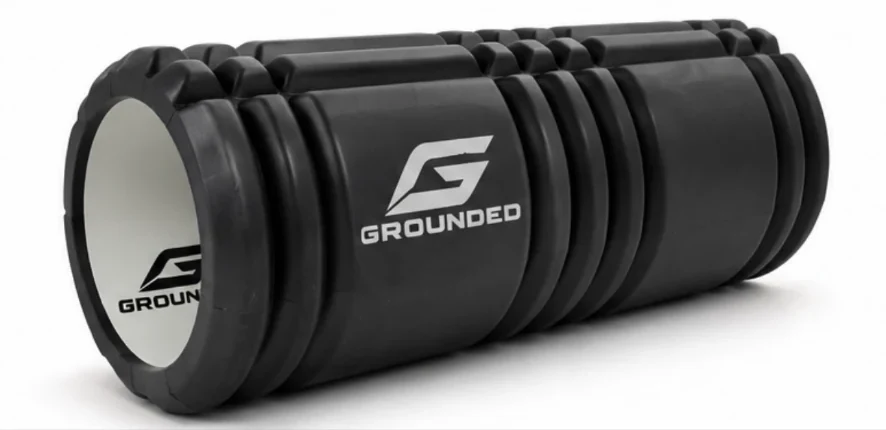
Grounded Foam Roller
High-density, textured and kit-bag sized for regular training.
View the Foam Roller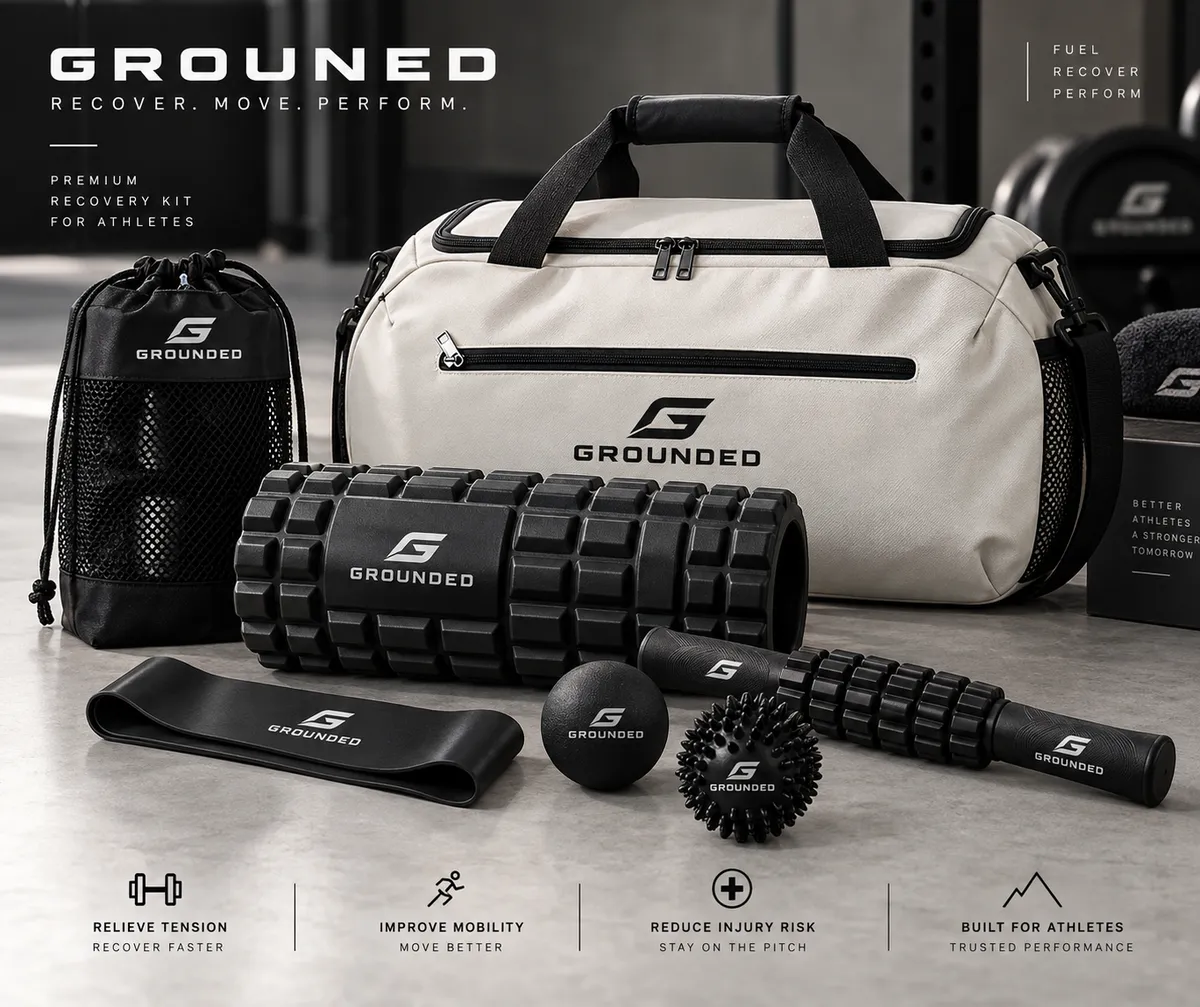
Grounded Recovery Kit
Foam roller, massage ball, mini bands and long band in one carry bag.
View the Recovery KitQuestions
Does foam rolling get rid of DOMS?
It reduces how sore you feel modestly; it does not eliminate DOMS.
Should I foam roll when very sore?
Yes, gently. Reduce pressure and keep moving.
General education only, not medical advice. For pain, injury or a medical condition, see a physiotherapist or doctor.
Related reading across Grounded
Explore the Grounded knowledge base