

Sports Recovery Hub · Soreness
Muscle Soreness Recovery: Normal Soreness vs Injury
A practical guide to reading your body after training.
How Grounded earns trust
Evidence explained. Limits made clear.
Editorial approach. We link original research, separate findings from practical interpretation and state when evidence is limited.
Athlete safety. Our content is general education, not diagnosis or medical advice. Pain and injury need qualified assessment.
Quick answer
The short version
- Normal soreness is dull, widespread and eases with movement
- Injury pain is sharp, local and often worse with movement
- If in doubt, get it assessed early
Every athlete gets sore. Knowing whether soreness is normal training stress or a sign of injury is one of the most useful recovery skills you can have.
Normal soreness
- Dull ache across a whole muscle
- Appears hours to a day after training
- Eases as you warm up
- Improves steadily over a few days
Signs of injury
- Sharp or stabbing pain
- Sudden pain during a sprint or tackle
- Swelling, bruising or loss of strength
- Pain in or around a joint
- Pain that worsens over time
Recovering from ordinary soreness
Keep moving gently, eat and sleep well, and use a foam roller or massage ball if it helps. Reduce intensity until you feel normal, rather than stopping completely.
External references

Grounded Recovery Kit
Foam roller, massage ball, mini bands and long band in one carry bag.
View the Recovery Kit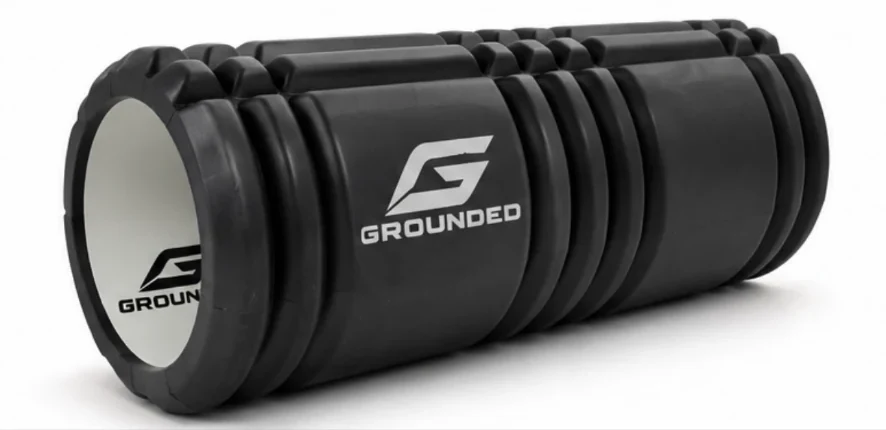
Grounded Foam Roller
High-density, textured and kit-bag sized.
View the Foam RollerQuestions
Is it good to be sore after training?
Soreness is not a measure of a good session. Progress can happen without it.
Heat or ice for sore muscles?
Either can make you feel better; neither is essential. Use what you prefer for ordinary soreness.
General education only, not medical advice. For pain, injury or a medical condition, see a physiotherapist or doctor.
Related reading across Grounded
Explore the Grounded knowledge base