
Post-Match Recovery Checklist for Athletes
A simple checklist to follow after every match, so recovery becomes automatic.
What you'll learn
- The first-hour checklist
- The evening checklist
- The next-day checklist
- How to make it a habit
The problem
Most athletes know recovery matters, but the post-match hours are chaotic: dressing-room celebrations, travel home, work the next day. Without a simple checklist, the basics get skipped.
Why a checklist works
Checklists are used in aviation and surgery because they make important steps automatic, even when people are tired or distracted. After a match, you are both. A short checklist turns recovery from something you think about into something you simply do.
The steps below apply to GAA, football, rugby, hockey and most field sports. Adjust quantities for your size, position and minutes played.
In the first hour
Cool down with five to ten minutes of easy movement. Tell your coach or medic about any knocks. Start drinking water, adding electrolytes if you sweated a lot. Have a snack that includes carbohydrate and protein if a meal is more than an hour away. Change out of wet kit quickly, especially in winter.
Within two hours
Eat a proper meal with carbohydrate, protein and some vegetables. Keep drinking fluids. If you are travelling, pack food in advance so you are not relying on a petrol station.
That evening
Limit alcohol. Take a warm shower. Do five minutes of gentle mobility if you feel stiff. Keep screens out of the bedroom and aim for at least eight hours of sleep. Research on sleep extension suggests that more sleep can improve sprint speed and skill accuracy, so treat sleep as part of training.
The next morning
Check in with your body. General soreness is normal. Sharp or worsening pain is not. Go for a 20 to 30-minute walk, easy cycle or swim. Do a ten-minute foam rolling routine for the quads, hamstrings, calves, glutes and adductors, followed by active movements.
Day two
Keep eating well, with protein at each meal. Continue light movement. If you have training, let your coach know how you feel. Most soreness should now be easing.
Making it automatic
Keep your recovery tools in your kit bag so they are always with you. Pack a post-match snack and water bottle the night before. Write the checklist in your phone notes. After three or four weeks, it becomes habit.
What not to worry about
You do not need expensive gadgets, complicated protocols or ice baths to recover well. They can play a role for some athletes, but the basics above account for most of the benefit. Recovery tools support good training habits; they do not replace sleep, nutrition or structured training.
Your printable checklist
First hour: cool down, report knocks, drink water, snack, change out of wet kit. Within two hours: full meal with carbohydrate, protein and vegetables. Evening: limit alcohol, warm shower, five minutes of mobility, eight or more hours of sleep. Next morning: body check, walk, ten-minute rolling routine. Day two: protein at every meal, light movement, update your coach.
Save it to your phone or print it and keep it in your gear bag.
Packing your gear bag for recovery
Water bottle and electrolytes. A snack with carbohydrate and protein. A dry change of clothes and warm layer. Your foam roller, massage ball and bands. Flip-flops for the shower. Having these ready removes most of the excuses.
Adapting the checklist for your sport
GAA and football: add extra attention to hamstrings, calves and adductors. Rugby: prioritise protein, report knocks carefully, and include upper-body mobility. Hockey: focus on lower back, hips and quads from the low playing position. Running races: calves, feet and quads.
After a tournament or blitz day
Tournament days with several short games are common in underage GAA, soccer sevens and rugby tens. Between games, keep moving lightly, eat small snacks and sip fluids. Afterwards, follow the full checklist and allow extra recovery time.
Tracking how you feel
A simple daily score out of ten for sleep, soreness and energy is enough to spot patterns. If scores drop for several days in a row, it is a sign to ease off, sleep more or speak to your coach.
Coaches: building the checklist into your club
Share the checklist with players, keep water and snacks available after games, and lead a short cool-down. Small cultural changes like these add up over a season.
What the research says
Evidence in context
Research supported
Preventive effect of foam rolling on muscle soreness after exercise: A systematic review and meta-analysis
Foam rolling after training is a reasonable, low-risk tool to modestly reduce next-day and 2-3 day post-exercise soreness. It is not a cure for soreness and effect sizes are small-to-moderate.
+111 min
The Effects of Sleep Extension on the Athletic Performance of Collegiate Basketball Players
Prioritizing sleep duration (aiming for ~9-10 hours in bed) can meaningfully improve sport-specific speed, shooting accuracy and mood in athletes who are otherwise under-slept.
1.6 g/kg
A systematic review, meta-analysis and meta-regression of the effect of protein supplementation on resistance training-induced gains in muscle mass and strength in healthy adults
During a structured strength program, hitting roughly 1.6 g/kg/day total protein (spread across meals) supports meaningfully greater strength and lean mass gains than training alone; intakes beyond this show diminishing average benefit.
Grounded summarises peer-reviewed sports science in simple language. Recovery tools support good training habits—they do not replace sleep, nutrition or structured training.
Grounded Recommendation
Keep the main thing the main thing.
Save this checklist and follow it after every match. The value comes from repetition, not intensity. Keep your recovery tools in your kit bag so the ten-minute routine always happens.
Step-by-step routine
- 01Cool down for 5–10 minutes
- 02Report any knocks
- 03Rehydrate and snack within the first hour
- 04Eat a full meal within two hours
- 05Limit alcohol and sleep 8+ hours
- 06Walk and foam roll the next morning
Equipment that can help
Recommended because it fits the routine—not as a replacement for the fundamentals.
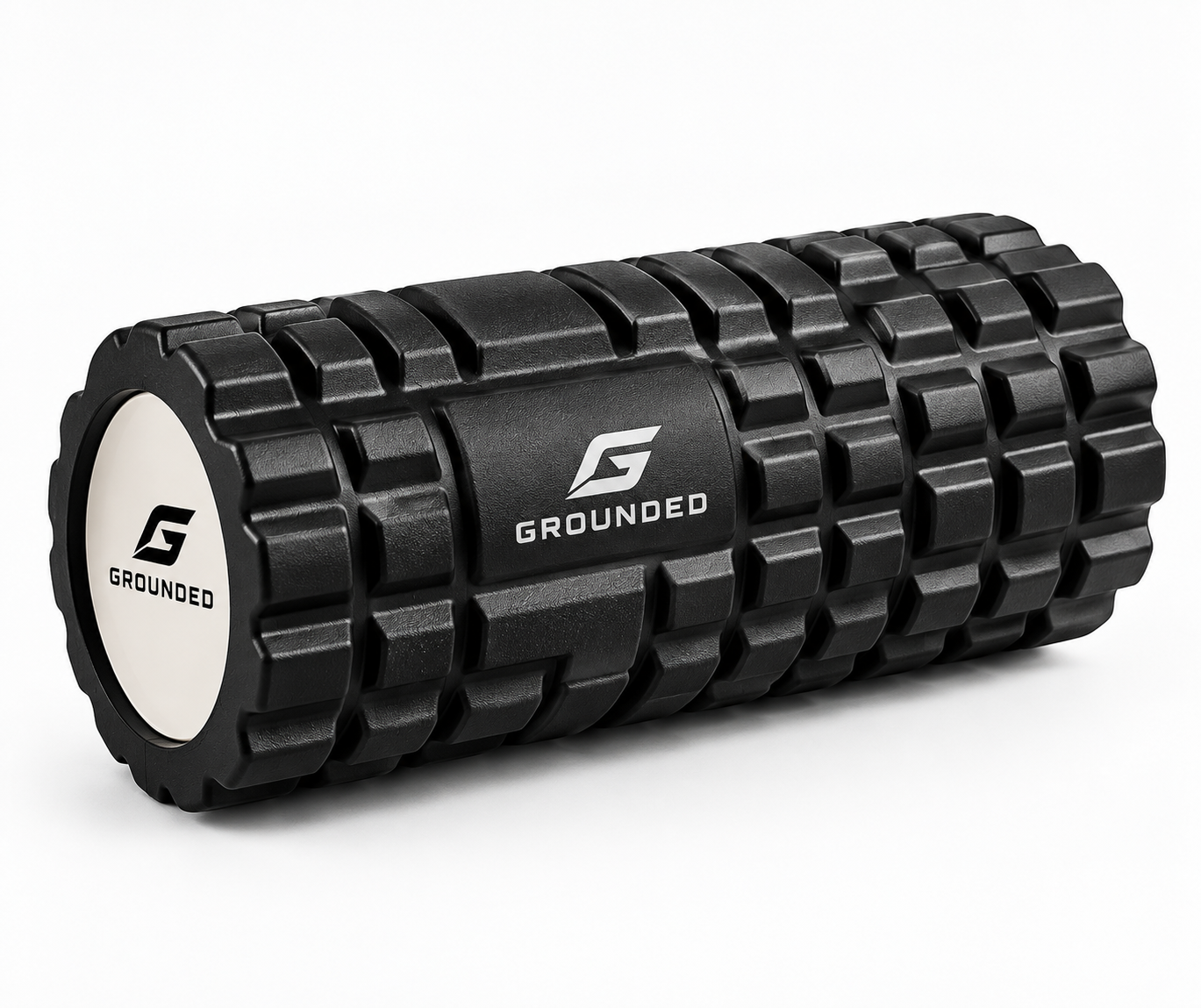
Recovery
Foam Roller
A firm, textured roller for purposeful warm-ups, mobility work and post-training routines.
View Foam Roller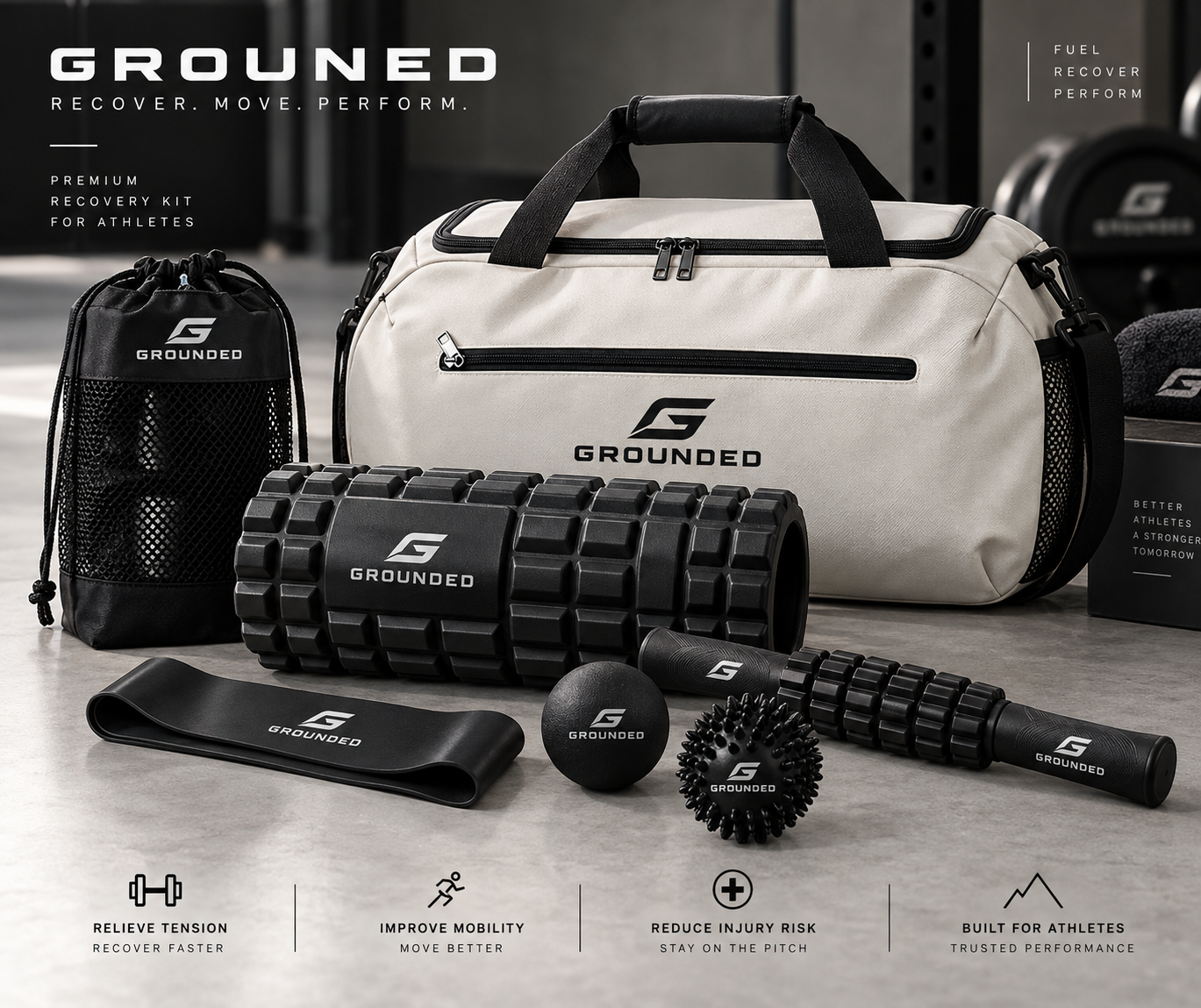
Best Seller
Recovery Kit
A complete system for mobility, activation and recovery, packed in a premium Grounded kit bag.
View Recovery KitImage coming soon
Hydration
Electrolytes
An electrolyte blend to support rehydration after long or sweaty sessions.
View ElectrolytesFrequently asked questions
What is the most important thing to do after a match?
Refuel, rehydrate and sleep well. These three account for most of the recovery benefit.
Is it OK to train the day after a match?
Light movement is usually helpful. Hard training is best left until soreness eases.
Can recovery tools replace sleep and nutrition?
No. Recovery tools support good habits; they do not replace sleep, nutrition or structured training.
When should I see a physiotherapist?
If pain is sharp, getting worse, affects how you walk or run, or has not settled after a few days, get it assessed by a chartered physiotherapist or doctor.
Continue learning
Related articles
How to Recover Faster After a GAA Match
A practical 48-hour plan for Gaelic footballers and hurlers, from the final whistle to the next training session.
Football Recovery Routine: A Complete Guide for Players
How footballers can recover between fixtures, from the cool-down to the next session.
Rugby Recovery Guide: Recovering From Contact and Collision
Managing the soreness of collision sport, with a practical routine for the days after a match.
Recovery notes