

Association football · Match minutes, boots & fixture congestion
Football Recovery
Association football combines accelerations, tackles and changes of direction with different workloads for starters and substitutes. Build a routine around the minutes you play, the surface you train on and the time before your next fixture—not simply what everyone else does.
By the Grounded Editorial Team · Editorial standardsQuick answer
Recover according to the minutes you played, not just the team calendar. Prioritise food, fluids and sleep after a match, keep heavy legs away from unnecessary sprint work and use a progressive warm-up before the next session. Boot comfort and controlled mobility matter more than aggressive stretching.
Prepare for accelerations, cuts and ball work
Move from light running into dynamic ankle and hip movement, balance and progressively faster changes of direction. Finish with passing, striking and short accelerations so the warm-up connects to the first actions of the match. Avoid moving straight from a long static stretch to a maximal sprint.
The FIFA 11+ is a structured exercise programme with football-specific injury-prevention evidence. Coaches should use its published progression and technique rather than labelling any collection of band drills as the programme. Light band work can support preparation, but does not replace balance, strength and running elements.
Match recovery depends on playing time
A player who completes a demanding match and a substitute who plays ten minutes do not necessarily need the same next-day workload. Tell the coach about minutes played, extra small-sided games and gym sessions. Plan any additional training with the coach instead of assuming the entire squad needs either complete rest or a hard session.
After full match exposure, have a carbohydrate-and-protein meal, drink steadily and protect bedtime. The following day, comfortable walking or easy cycling is an option rather than an obligation. If two fixtures are close together, prioritise readiness and remove avoidable hard work; soreness alone cannot reliably tell you whether sprint capacity has recovered.
Build a touchline hydration routine
Bring your own bottle and agree access to drinks during training breaks and half-time. Start the match normally hydrated rather than trying to catch up with a large drink at kick-off. Drink with meals afterwards, especially if a late finish makes it easy to forget both dinner and fluids.
Long sessions, warm weather and substantial sweat loss can make an electrolyte drink useful. It is not required for every five-a-side game, and an electrolyte tablet does not necessarily provide carbohydrate fuel. Check the label and practise what your stomach tolerates; avoid forcing fluid beyond your needs.
Keep ankles, calves and hips moving comfortably
Use ankle rocks, gentle calf raises and controlled hip movement to assess how your legs feel after repeated accelerations. Add adductor rock-backs if comfortable. Keep movements smooth and stop if you are compensating around pain. Recurring groin symptoms or a painful Achilles tendon needs assessment, not a more forceful mobility session.
Optional rolling on quads and calves can be followed by active movement. A ball used lightly under the foot should not cause sharp pain or numbness. Neither technique clears a player to return after injury, and a feeling of temporary looseness is not proof that a muscle has fully recovered.
Boot fit comes before sock choice
Check that boots match the surface, heel fit is secure and toes are not compressed. Smooth sock folds before play and replace wet socks afterwards. If adding grip socks makes the boot tighter, the combination is not automatically better. Persistent blisters need a review of fit, friction and moisture rather than simply a thicker sock.
Grounded Grip Socks are intended to offer a more secure underfoot feel inside footwear. Evidence does not justify promising faster sprinting or fewer injuries. Test comfort in training before a match, follow competition kit rules and choose footwear that remains comfortable during turns and stops.
An adaptable starting point
Your practical plan
Adjust this example to your workload, symptoms and professional advice. It is not a medical clearance timetable.
| When | Priority | What to check |
|---|---|---|
| Before kick-off | Progress into running, turning and ball work. | Boots fit; no new drills or socks on match day. |
| After full match minutes | Refuel, rehydrate and plan a realistic bedtime. | Record minutes and any niggles. |
| The next day | Keep optional movement easy; discuss extra load. | Heavy legs are not a reason to add sprints. |
| Before the next fixture | Adapt training to the turnaround and symptoms. | Communicate rather than relying on a fixed timetable. |
Common mistakes
- Giving starters and unused substitutes identical extra workloads without discussion.
- Testing tight boots and new grip socks in an important match.
- Using stretching or rolling to hide groin pain.
- Treating electrolyte drinks as a substitute for food.
When to seek help
A swollen joint, altered running pattern, acute groin pain or suspected concussion needs assessment. Return-to-play decisions belong with qualified professionals, not a recovery-tool checklist.
Habits first. Tools second.
Equipment that fits the routine
Choose a tool only when it has a useful place in your week. Product pages include launch status and notification options; no equipment replaces sleep, food or appropriate assessment.
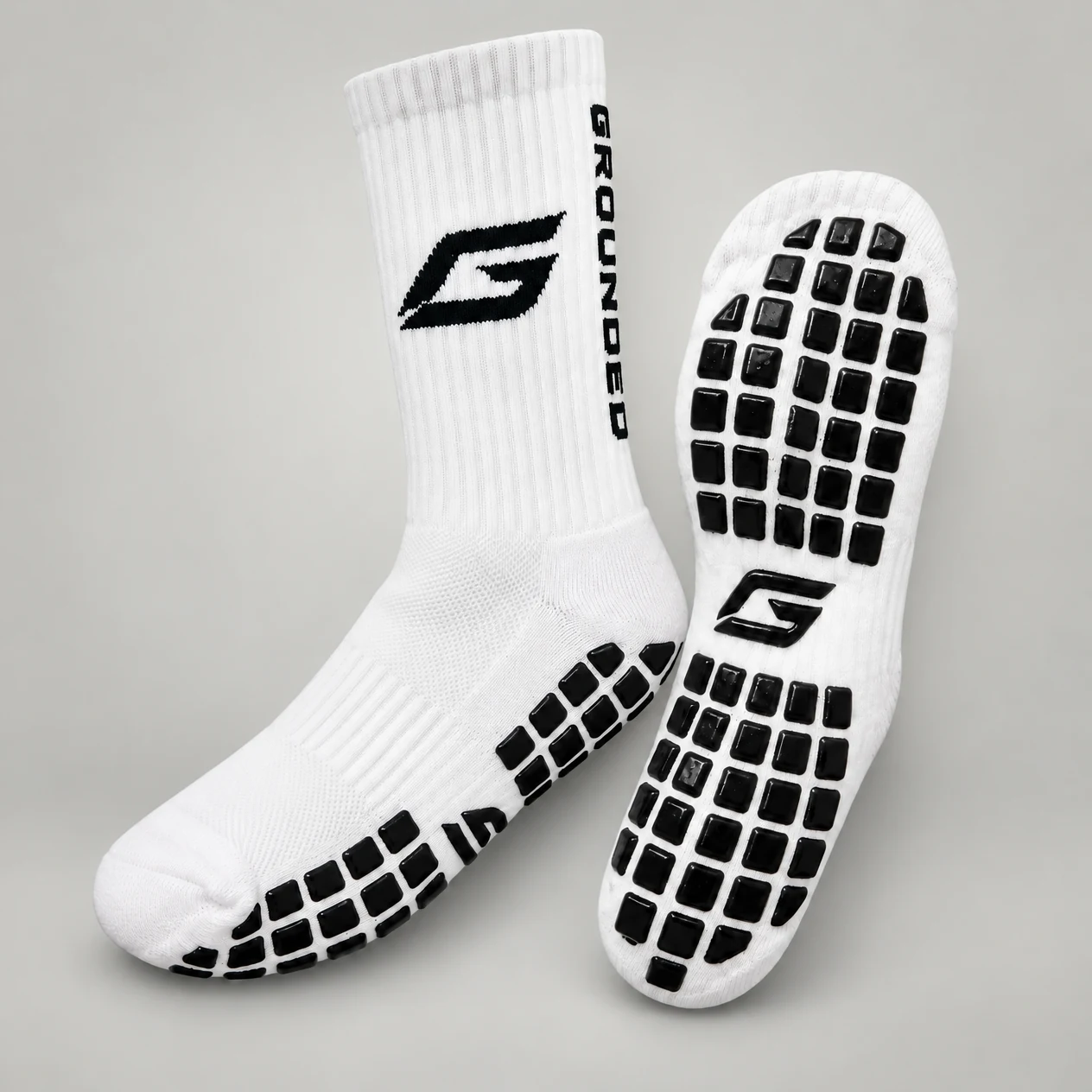
Grounded Grip Socks
A boot-comfort option to test in training, with enough room for your toes.
Explore Grip Socks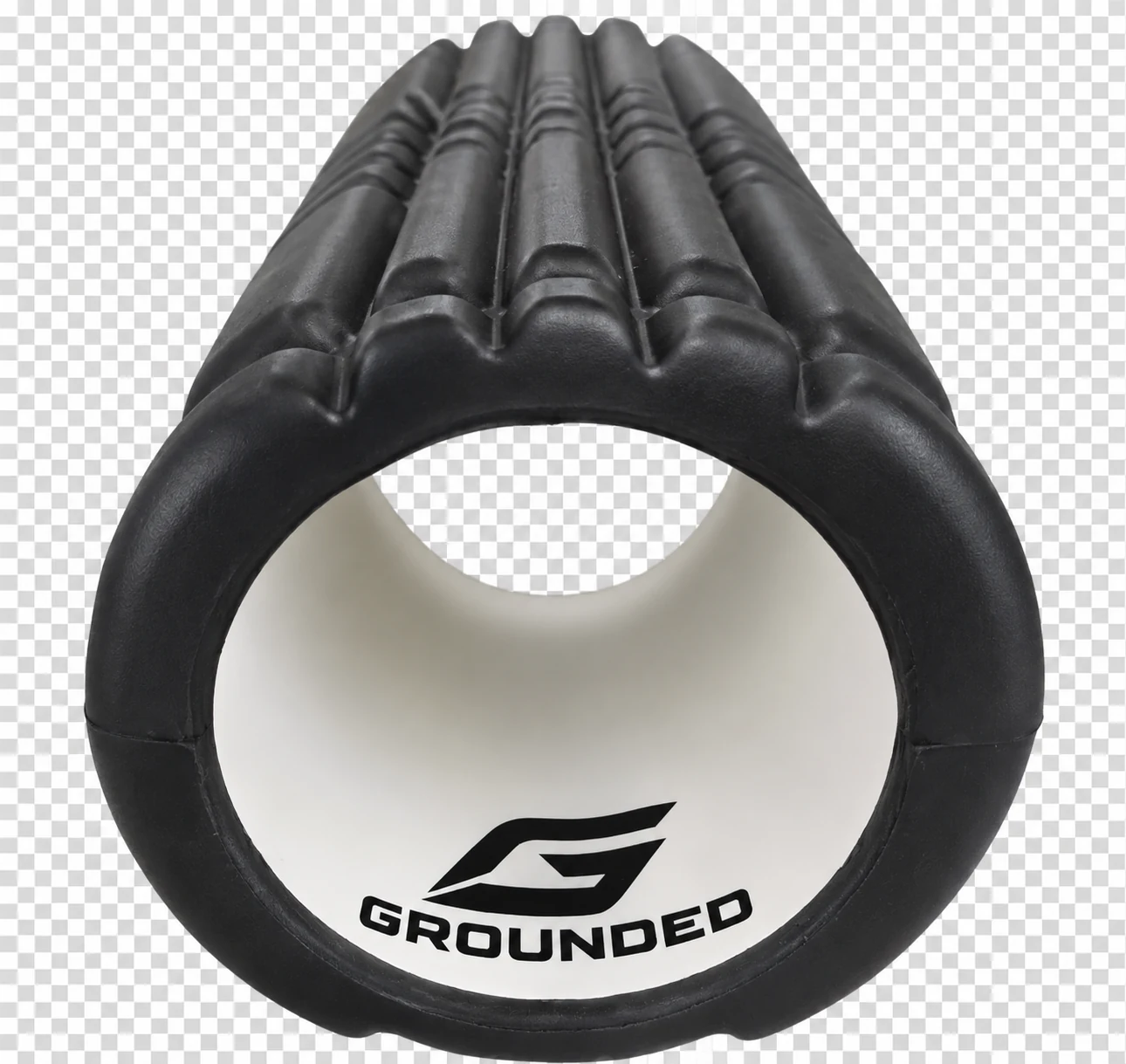
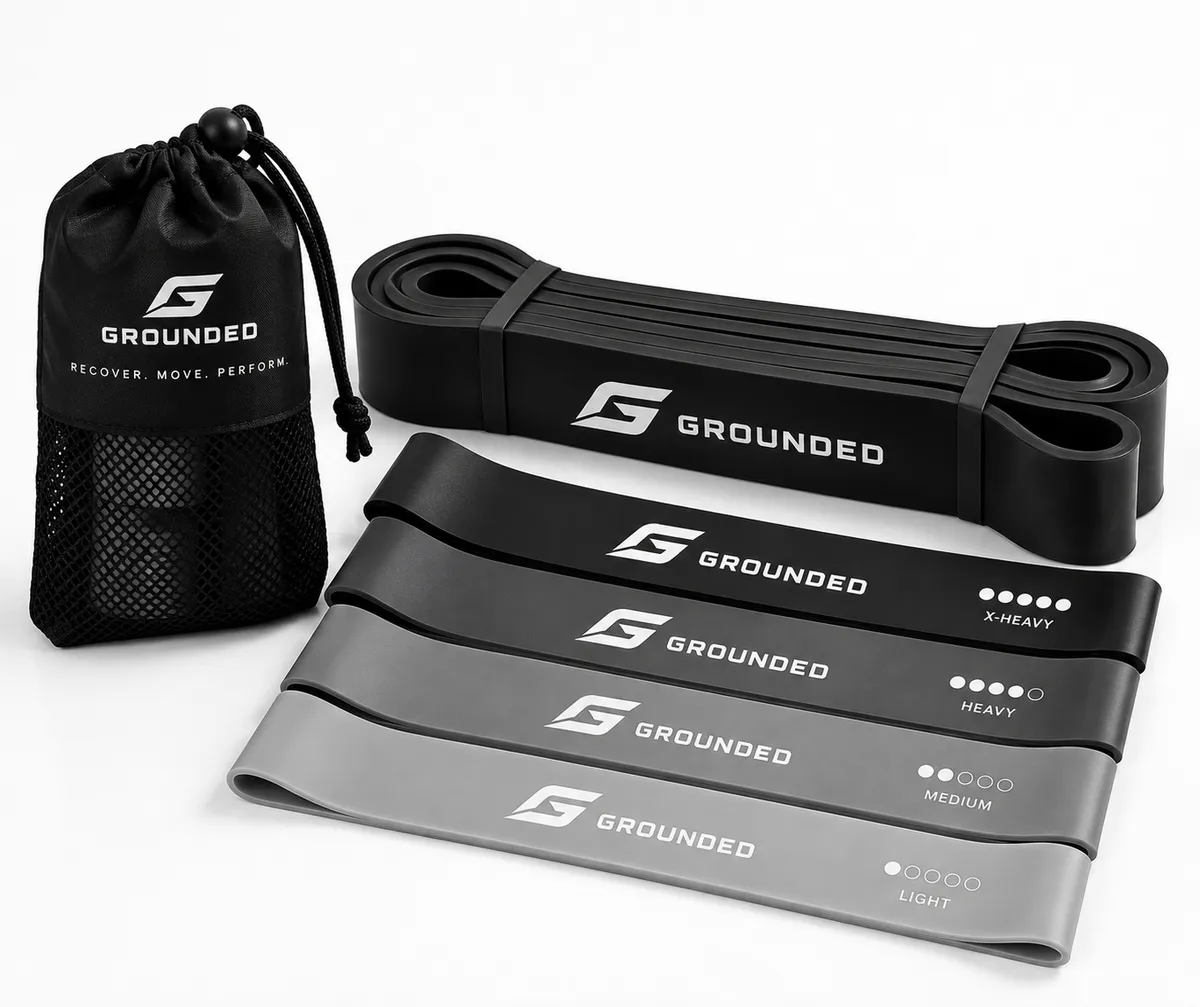
Grounded Resistance Bands
Controlled activation alongside a complete warm-up.
Explore Resistance Bands
Grounded Recovery Kit
Keep your optional mobility routine together for away games.
Explore the Recovery KitOriginal sources, not product claims
Evidence and its limits
The sources below support specific principles, not every exercise in this practical example. Findings from one sport do not automatically apply to another. Grounded has a commercial interest in the products linked here; these are not independent product reviews.
2017 · British Journal of Sports Medicine
Effect of specific exercise-based football injury prevention programmes on the overall injury rate in football: a systematic review and meta-analysis of the FIFA 11 and 11+ programmes
The review distinguishes FIFA 11+ from the older FIFA 11 programme. It supports injury-rate reductions with the structured 11+ in studied football populations, not claims that any warm-up or product delivers the same result.
2024 · Journal of Bodywork and Movement Therapies
Preventive effect of foam rolling on muscle soreness after exercise: A systematic review and meta-analysis
Foam rolling may reduce perceived soreness after exercise. The research does not establish a guaranteed return to full match performance or prove that grip socks prevent injuries.
Exercise and fluid replacement
The ACSM position stand (2007) recommends individualising fluid replacement because sweat rates and losses vary. Electrolyte and carbohydrate drinks can be useful in certain circumstances; this is not a prescription for every session or proof of a particular product’s effectiveness.
Read the original ACSM position stand (opens in a new tab)Go deeper into your routine
Football Recovery questions
How should I recover between two football matches in three days?
Focus on meals, fluids and sleep, and discuss reducing non-essential training with the coach. Adapt to match minutes and symptoms. No recovery method guarantees full readiness in a fixed number of hours.
Should football substitutes do the same recovery as starters?
The fundamentals are shared, but training needs can differ with playing time and total workload. Any extra conditioning should be planned with the coach rather than copied from players who completed the match.
Will grip socks prevent blisters in football boots?
They may change the feel of the foot inside the boot, but blister prevention is not guaranteed. Fit, moisture, seams and friction all matter. Avoid a sock combination that compresses your toes.
Should I stretch sore calves before five-a-side?
Use gentle active movement and assess your symptoms. Sharp, localised or worsening pain needs assessment. Do not force stretching or use a roller to mask pain before running.
Your sport. Your routine.
Recovery by sport
GAA Recovery
The club-week plan · Gaelic football, hurling & camogie
Football Recovery
Association football · Match minutes, boots & fixture congestion
Rugby Recovery
Collision sport · Separate ordinary soreness from injury
Running Recovery
Easy miles, long runs & race-week decisions
Golf Recovery
Walking, rotation & repeated rounds
Gym Recovery
Plan the training week · Strength, classes & consistency
How Grounded earns trust
Evidence explained. Limits made clear.
Editorial approach. We link original research, separate findings from practical interpretation and state when evidence is limited.
Athlete safety. Our content is general education, not diagnosis or medical advice. Pain and injury need qualified assessment.