
Warm Up vs Recovery: Why Athletes Need Both
How warm-ups and recovery routines work together to keep you training consistently.
What you'll learn
- What a warm-up should achieve
- What recovery should achieve
- What the research says
- A simple routine for each
The problem
Many athletes treat warm-ups as a jog and a few stretches, and recovery as something that happens by itself. In reality, both are skills. Done well, together they help you perform better and stay available for more sessions.
What a warm-up does
A warm-up prepares the body for the demands to come. It raises muscle temperature, increases heart rate, activates key muscle groups and rehearses the movements of your sport at gradually increasing intensity.
The FIFA 11+ programme is one of the best-studied warm-ups in sport. A cluster randomised trial in youth football and a meta-analysis of exercise-based prevention programmes both found meaningful reductions in injury rates when these programmes were used consistently.
What recovery does
Recovery is everything that helps your body adapt after training: sleep, nutrition, hydration, easier days and simple habits like rolling and mobility. Training creates the stimulus; recovery is when you get better.
Why both matter
A good warm-up reduces injury risk and prepares you to perform. Good recovery means you arrive at the next session ready to warm up and train well. Neglect either and the cycle breaks down.
Building a good warm-up
Raise: five minutes of light running or skipping. Activate: band glute bridges, lateral walks, calf raises. Mobilise: leg swings, walking lunges, hip openers. Potentiate: strides, accelerations and sport-specific drills at increasing speed. Around 15 to 20 minutes.
Short foam rolling can fit before the activation stage if you feel stiff, but it should not replace active movement.
Building a good recovery routine
Cool down with light movement. Refuel and rehydrate. Sleep well. The next day, walk and do a short rolling and mobility routine. Balance hard and easy days across your week.
Static stretching: warm-up or recovery?
Long static stretches held before explosive activity can slightly reduce power for a short time. That is why most warm-ups now focus on dynamic movement. Static stretching fits better after training or in a separate mobility session.
Tools for each
Mini bands are the key warm-up tool for activation. The foam roller and massage ball are the key recovery tools. Having them together in one bag means both routines happen.
For coaches
Coaches have a huge influence. Making a structured warm-up and a short cool-down part of every session is one of the simplest, highest-value changes a club can make.
A sample 15-minute field sport warm-up
Minutes 0 to 3: light jogging and skipping. Minutes 3 to 6: band glute bridges, lateral walks and monster walks. Minutes 6 to 9: leg swings, walking lunges with rotation, hip openers and calf raises. Minutes 9 to 12: accelerations and changes of direction at 60 to 80 percent. Minutes 12 to 15: sport-specific drills at match intensity.
A sample 10-minute recovery routine
Minutes 0 to 3: walking and light jogging. Minutes 3 to 8: foam roll quads, hamstrings, calves and glutes. Minutes 8 to 10: gentle static stretches for hip flexors and hamstrings. Then refuel and rehydrate.
Warm-ups on cold Irish evenings
On cold, wet nights, warm-ups need a little longer to raise muscle temperature. Keep layers on for the first part, move continuously and avoid standing around between drills. The same applies to substitutes, who should warm up properly before coming on.
Common mistakes
Skipping the warm-up when short on time. Doing long static stretches before sprinting. Warming up then standing still for ten minutes before the start. Skipping the cool-down and heading straight to the car. Each of these is easy to fix with a consistent routine.
For underage teams
Structured warm-ups are especially valuable for young athletes. Programmes such as FIFA 11+ Kids and the GAA15 warm-up are designed for this purpose. Making them routine from a young age builds habits that last a sporting lifetime.
The bottom line
Warm-ups prepare you to perform and reduce injury risk. Recovery allows you to adapt and come back ready. Both are simple, both are free or low cost, and both are consistently among the most valuable habits in sport.
What the research says
Evidence in context
Research supported
A Meta-Analysis of the Effects of Foam Rolling on Performance and Recovery
Foam rolling can be used as part of a warm-up (does not reduce power/speed, may modestly help) and as a recovery tool post-session; benefits are real but small in magnitude.
41% lower
Efficacy of the FIFA 11+ Warm-Up Programme in Male Youth Football: A Cluster Randomised Controlled Trial
Replacing a generic warm-up with the structured FIFA 11+ program before training/matches is one of the best-evidenced, low-cost ways to cut injury rates in youth and adult footballers; consistent compliance matters for full benefit.
Research supported
Effect of specific exercise-based football injury prevention programmes on the overall injury rate in football: a systematic review and meta-analysis of the FIFA 11 and 11+ programmes
Across multiple independent RCTs and settings, structured neuromuscular warm-up programmes consistently lower injury incidence in football, reinforcing the FIFA 11+ single-trial finding above as a generalizable effect, not a one-off result.
Grounded summarises peer-reviewed sports science in simple language. Recovery tools support good training habits—they do not replace sleep, nutrition or structured training.
Grounded Recommendation
Keep the main thing the main thing.
Treat the warm-up and recovery as two halves of the same habit. Use a structured, progressive warm-up with band activation before every session, and a simple recovery routine after. Consistency across a season is what makes the difference.
Step-by-step routine
- 01Raise: 5 minutes of light running
- 02Activate: band glute bridges and lateral walks
- 03Mobilise: leg swings and walking lunges
- 04Potentiate: strides and sport-specific drills
- 05Recover: cool down, refuel, rehydrate
- 06Next day: walk and roll for 10 minutes
Equipment that can help
Recommended because it fits the routine—not as a replacement for the fundamentals.
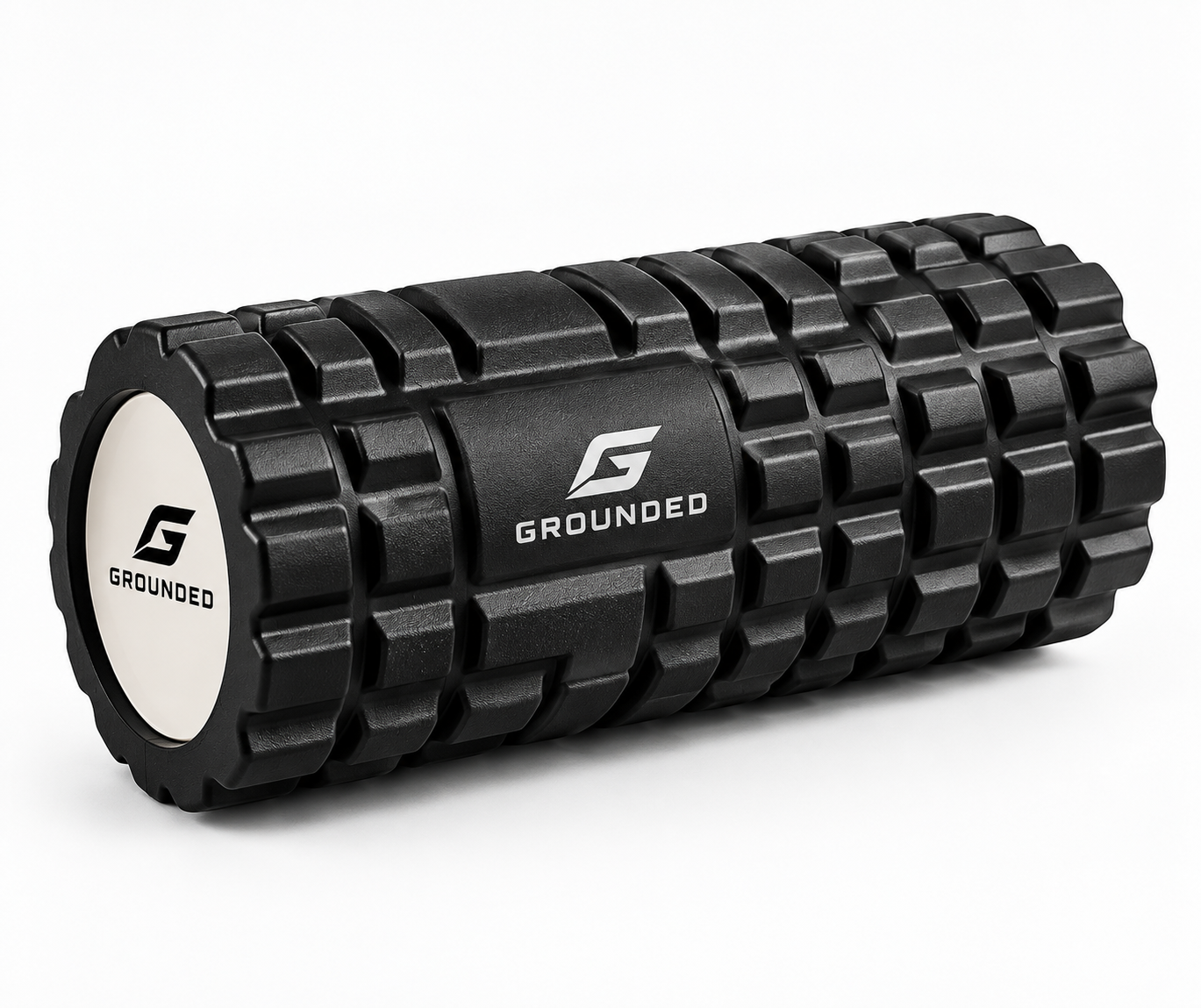
Recovery
Foam Roller
A firm, textured roller for purposeful warm-ups, mobility work and post-training routines.
View Foam Roller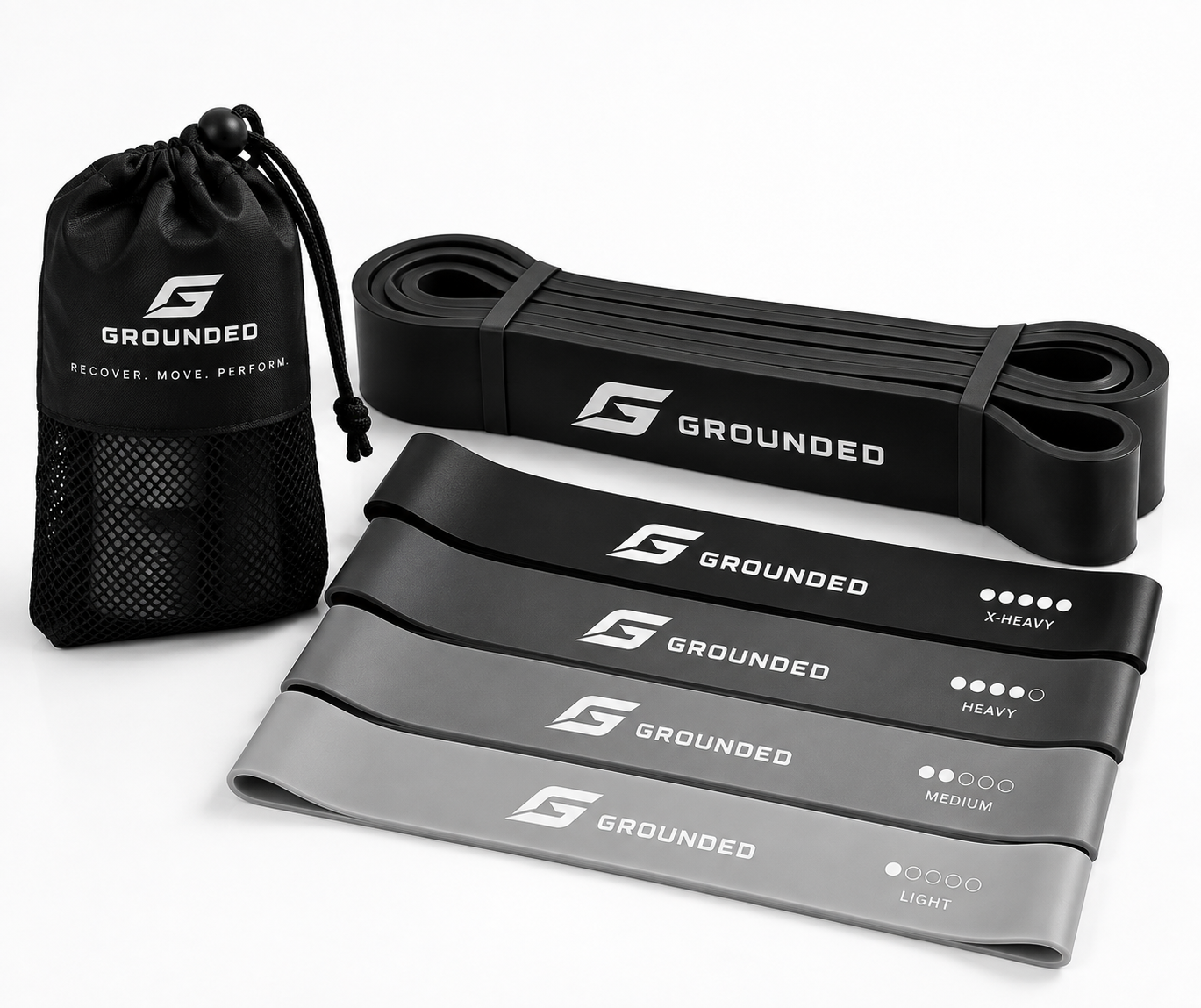
Mobility
Mini Bands
Four resistance levels for activation, mobility and controlled strength work.
View Mini Bands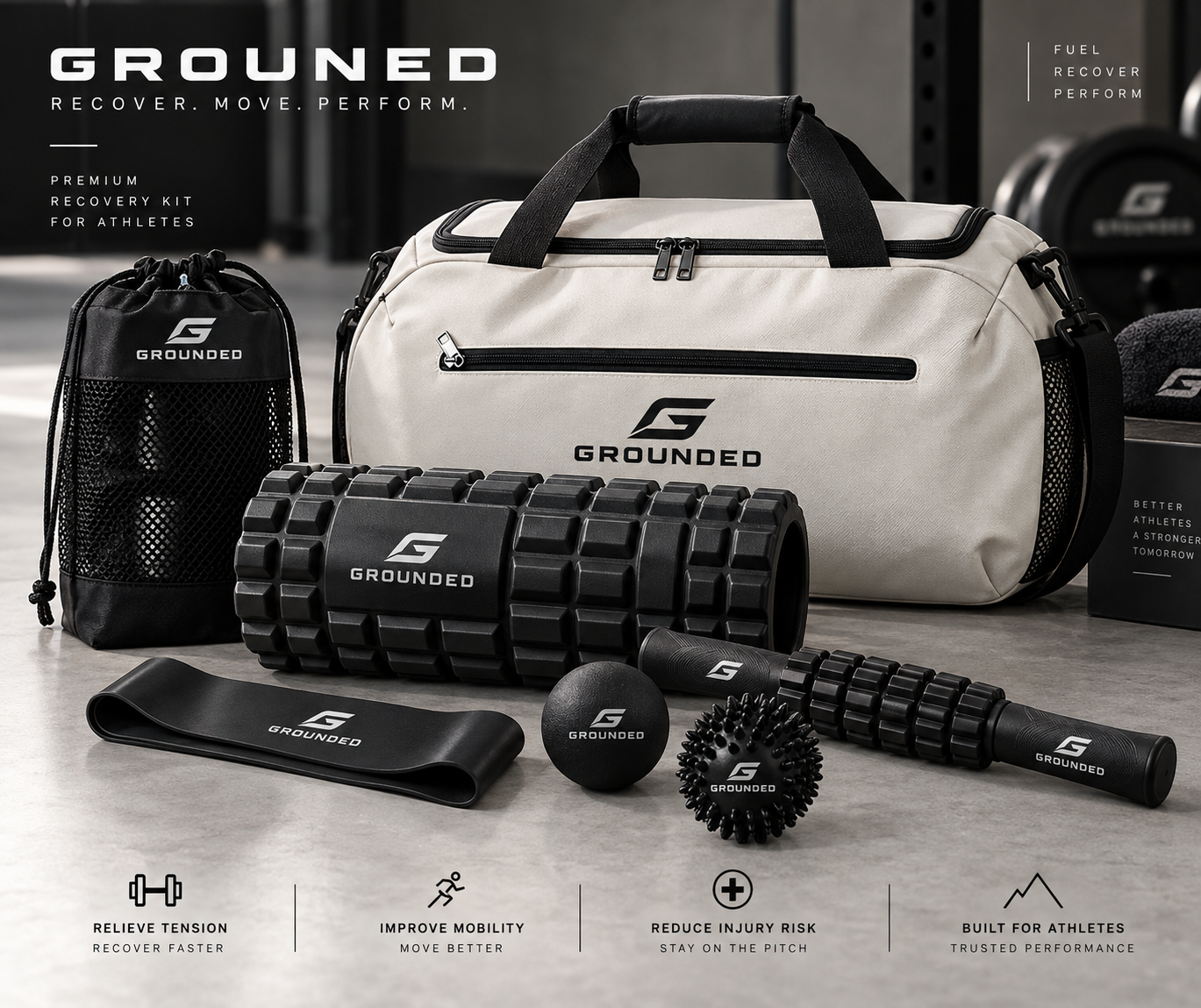
Best Seller
Recovery Kit
A complete system for mobility, activation and recovery, packed in a premium Grounded kit bag.
View Recovery KitFrequently asked questions
How long should a warm-up be?
Around 15 to 20 minutes for most field sports, progressing from light movement to match intensity.
Should I stretch before or after training?
Dynamic movement before, static stretching after or in a separate session.
Can recovery products replace good training habits?
No. Recovery and performance products support good habits; they do not replace sleep, nutrition or structured training.
Continue learning
Related articles
Post-Match Recovery Checklist for Athletes
A simple checklist to follow after every match, so recovery becomes automatic.
Best Foam Roller Exercises for Athletes
Nine essential foam roller exercises, with technique cues for runners, field-sport and gym athletes.
How Often Should Athletes Foam Roll?
Frequency, duration and timing, based on what the research actually says.
Recovery notes