

Sports Recovery Hub · Fundamentals
Sports Performance Recovery: Recovering to Perform
Why recovery drives performance, and how athletes can monitor it simply.
How Grounded earns trust
Evidence explained. Limits made clear.
Editorial approach. We link original research, separate findings from practical interpretation and state when evidence is limited.
Athlete safety. Our content is general education, not diagnosis or medical advice. Pain and injury need qualified assessment.
Quick answer
The short version
- Adaptation happens during recovery
- Simple self-monitoring works
- Performance drops are a signal, not a failure
Training creates fatigue; recovery turns that fatigue into fitness. Athletes who recover consistently can train harder, more often — and that is where performance comes from.
Monitor readiness simply
You don’t need wearables. Track a few things daily on a 1–5 scale:
- Sleep quality
- Muscle soreness
- Energy and mood
- Motivation to train
Signs you are under-recovered
- Performance falling despite training
- Persistent heavy legs
- Poor sleep and irritability
- Frequent small niggles or illness
Adjust, don’t push through
When scores drop for several days, reduce intensity, prioritise sleep and food, and speak to your coach.
External references

Grounded Recovery Kit
Foam roller, massage ball, mini bands and long band in one carry bag.
View the Recovery Kit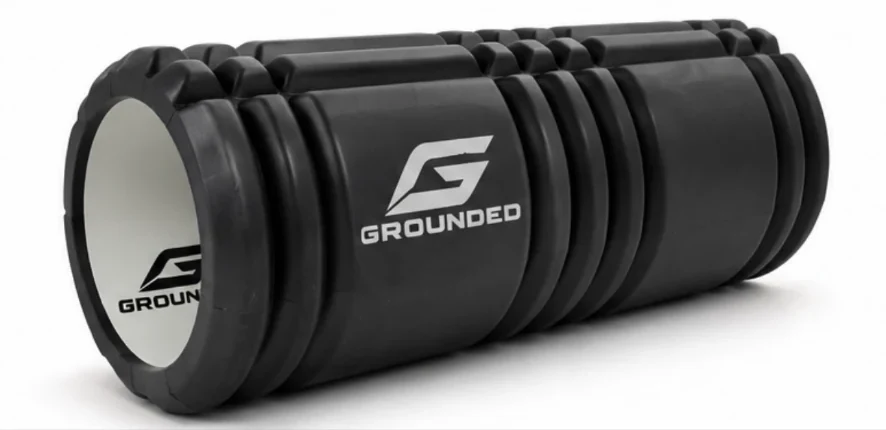
Grounded Foam Roller
High-density, textured and kit-bag sized.
View the Foam RollerQuestions
What is athletic recovery?
The process of restoring the body between training and competition so performance can improve.
Does recovery improve performance?
Yes — adaptation to training depends on adequate recovery.
General education only, not medical advice. For pain, injury or a medical condition, see a physiotherapist or doctor.
Related reading across Grounded
Explore the Grounded knowledge base