

Sports Recovery Hub · Fundamentals
Injury Prevention for Athletes: What the Evidence Supports
The measures with the strongest research support, in order.
How Grounded earns trust
Evidence explained. Limits made clear.
Editorial approach. We link original research, separate findings from practical interpretation and state when evidence is limited.
Athlete safety. Our content is general education, not diagnosis or medical advice. Pain and injury need qualified assessment.
Quick answer
The short version
- Strength training has the strongest evidence
- Structured warm-ups help
- Manage sudden jumps in training load
No routine prevents every injury, but some approaches reduce risk more than others. A large meta-analysis found strength training had the clearest benefit; stretching alone showed little effect.
Priorities
- Strength training two to three times a week
- A structured warm-up before every session
- Gradual increases in training and match load
- Adequate sleep
- Early assessment of niggles
Where recovery tools fit
Foam rolling and bands are useful for warm-ups and feeling ready, but they are supporting tools rather than injury prevention on their own.
External references

Grounded Recovery Kit
Foam roller, massage ball, mini bands and long band in one carry bag.
View the Recovery Kit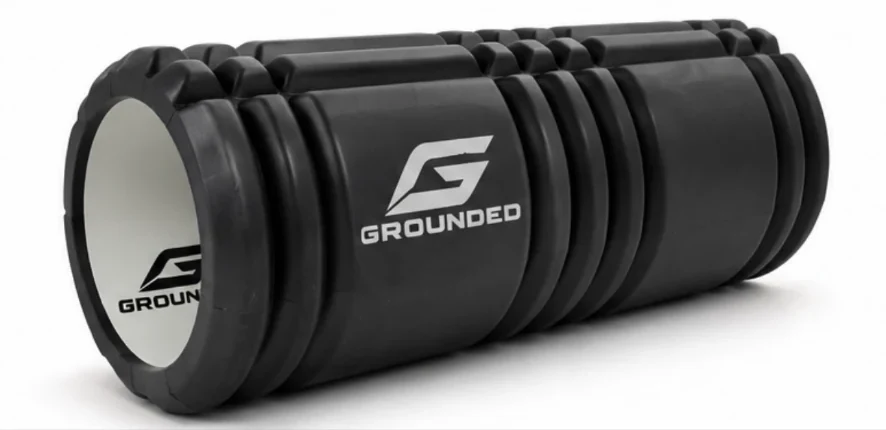
Grounded Foam Roller
High-density, textured and kit-bag sized.
View the Foam RollerQuestions
What is the best way to prevent sports injuries?
Regular strength training and a structured warm-up.
Do grip socks prevent injuries?
There is no strong evidence they prevent injury; some athletes like the stability.
General education only, not medical advice. For pain, injury or a medical condition, see a physiotherapist or doctor.
Related reading across Grounded
Explore the Grounded knowledge base