
Best Recovery After a GAA Match
A practical 24-hour plan for the demands of Gaelic games.
What you'll learn
- What to do in the first hour
- How to approach the next morning
- Where recovery tools fit
The problem
Matches combine high-speed running, contact and repeated changes of direction. The temptation is to chase complicated recovery methods instead of covering the basics in the right order.
What the research says
Evidence in context
Research supported
Epidemiology and moderators of injury in Gaelic football: A systematic review and meta-analysis
For GAA-specific recovery/prevention programming, hamstring and other lower-limb muscle injuries should be the top priority, and match-day preparation (warm-up, hamstring strength work) deserves more attention than training-day load alone.
15× higher
Incidence of Injury in Gaelic Football: A 4-Year Prospective Study
Match play carries roughly 15x the injury rate of training in elite Gaelic football, and hamstrings are by far the single biggest injury target — supports prioritizing hamstring-specific prevention (e.g., Nordic curls) and second-half conditioning/fatigue management.
Grounded summarises peer-reviewed sports science in simple language. Recovery tools support good training habits—they do not replace sleep, nutrition or structured training.
Grounded Recommendation
Keep the main thing the main thing.
Build recovery around hydration, a normal carbohydrate-and-protein meal, sleep and light movement. Use tools to make a short mobility routine easier to repeat.
Step-by-step routine
- 01Walk for five minutes after the final whistle
- 02Rehydrate and eat a balanced meal
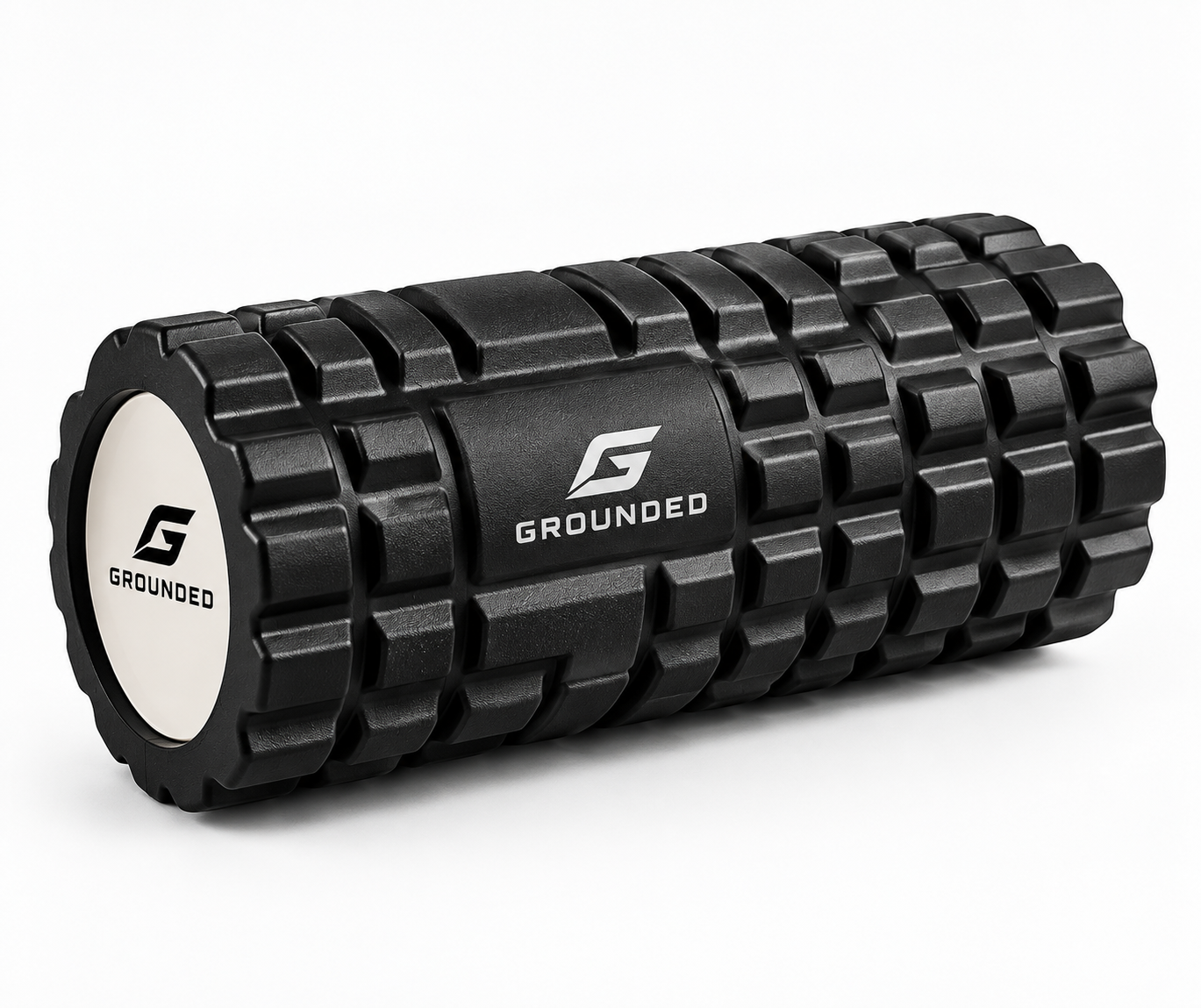
- 03Use gentle rolling on quads, calves and glutes
- 04Take a light walk the following morning
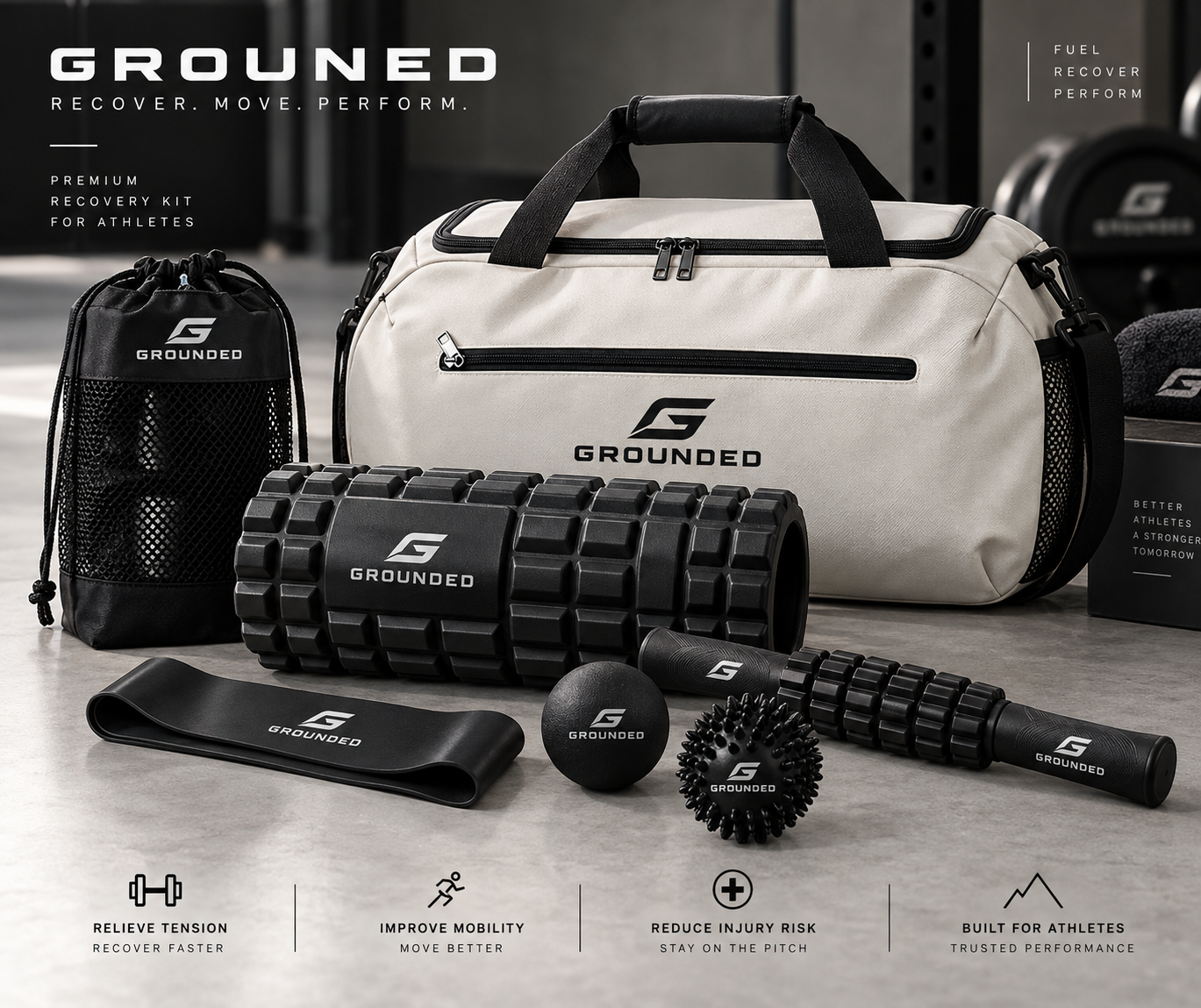
Equipment that can help
Recommended because it fits the routine—not as a replacement for the fundamentals.
Frequently asked questions
Should I foam roll immediately after a match?
A short, comfortable session is reasonable, but food, fluid and sleep are higher priorities.
How should GAA players recover between matches?
Reduce unnecessary load, maintain light movement and preserve regular sleep and meal timing.
How long should a recovery routine take?
Ten focused minutes can be useful when the routine matches the session and is repeated consistently.
Should recovery work feel painful?
No. Use tolerable pressure and controlled movement. Stop if pain is sharp, worsening or unusual.
Can recovery tools replace sleep and nutrition?
No. Tools support good habits; they do not replace sleep, nutrition or structured training.
Recovery notes