
Foam Roller vs Massage Ball
Choose broad pressure or targeted pressure based on the job.
What you'll learn
- Where each tool works best
- How pressure changes the experience
- Why more discomfort is not better
The problem
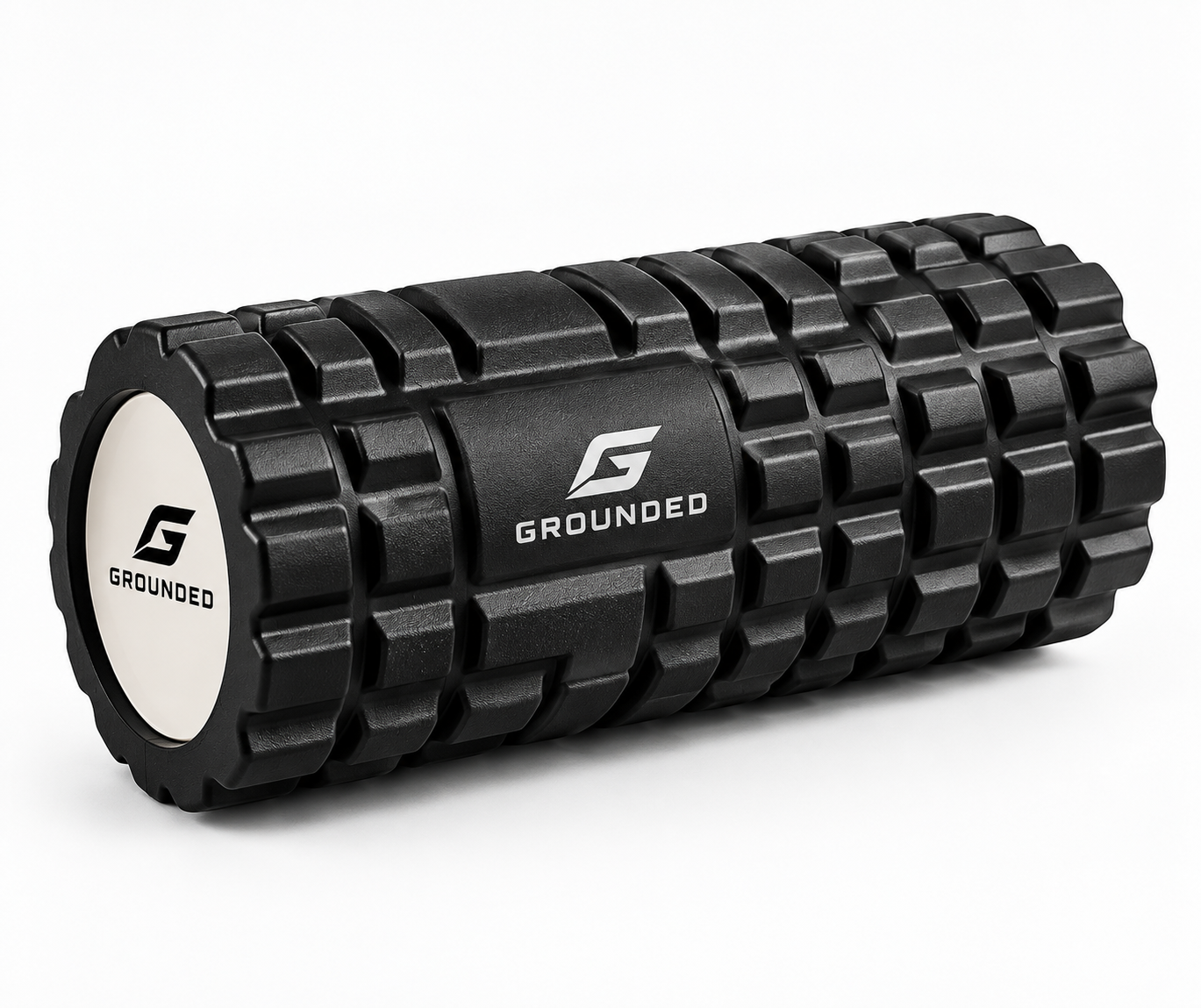
Athletes often choose a tool by intensity rather than purpose. A roller covers larger muscle groups; a ball offers focused pressure where positioning allows.
What the research says
Evidence in context
Grounded summarises peer-reviewed sports science in simple language. Recovery tools support good training habits—they do not replace sleep, nutrition or structured training.
Grounded Recommendation
Keep the main thing the main thing.
Use a roller for quads, calves and upper back; use a ball for feet, glutes and areas where controlled, specific pressure is useful.
Step-by-step routine
- 01Identify the movement you want to improve
- 02Select broad or targeted pressure
- 03Work for 30–60 seconds
- 04Re-test and stop if symptoms worsen
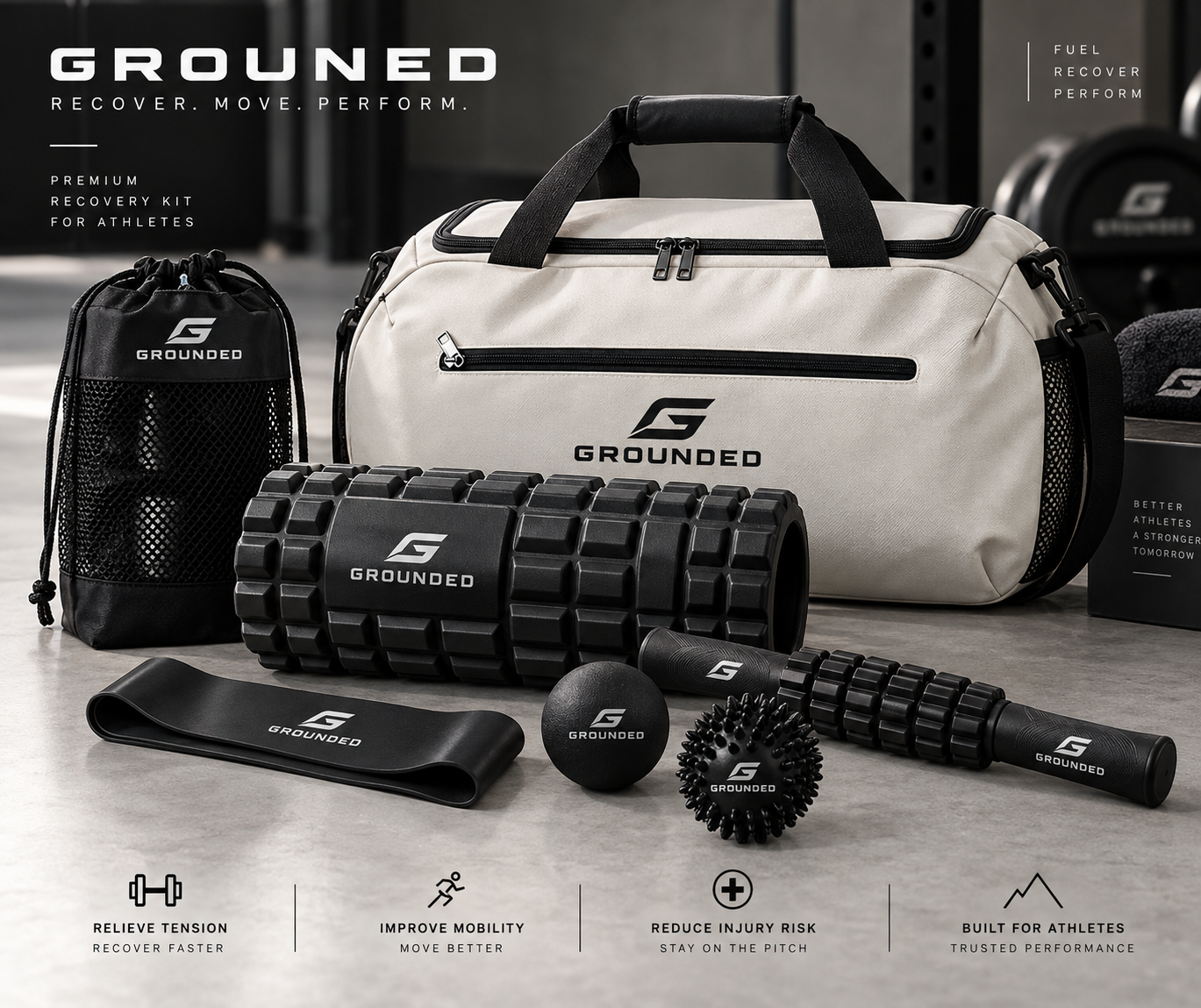
Equipment that can help
Recommended because it fits the routine—not as a replacement for the fundamentals.
Frequently asked questions
How long should a recovery routine take?
Ten focused minutes can be useful when the routine matches the session and is repeated consistently.
Should recovery work feel painful?
No. Use tolerable pressure and controlled movement. Stop if pain is sharp, worsening or unusual.
Can recovery tools replace sleep and nutrition?
No. Tools support good habits; they do not replace sleep, nutrition or structured training.
Recovery notes