

Foam Rolling Hub · Buying
High Density vs Soft Foam Rollers
How firmness changes comfort, durability and who each roller suits.
How Grounded earns trust
Evidence explained. Limits made clear.
Editorial approach. We link original research, separate findings from practical interpretation and state when evidence is limited.
Athlete safety. Our content is general education, not diagnosis or medical advice. Pain and injury need qualified assessment.
Quick answer
The short version
- Soft: beginners, sensitive areas, lighter athletes
- High density: regular trainers, heavier athletes, longevity
- Pressure can be reduced on a firm roller, not increased on a soft one
Firmness is the single most important choice when buying a roller. The goal is pressure you can relax into.
Soft rollers
Usually open-cell or low-density foam. Comfortable but flatten over months, and heavier athletes may feel very little pressure.
High-density rollers
Closed-cell EVA or EPP foam. Keeps its shape, wipes clean and delivers firmer pressure. You can always reduce pressure by supporting more of your weight with your hands or other leg.
Choosing
- Under ~70 kg and new to rolling: soft or medium
- Training 3+ times a week: high density
- Over ~90 kg: high density or hollow core
- Very tender after hard blocks: keep a softer option or reduce weight
Research referenced
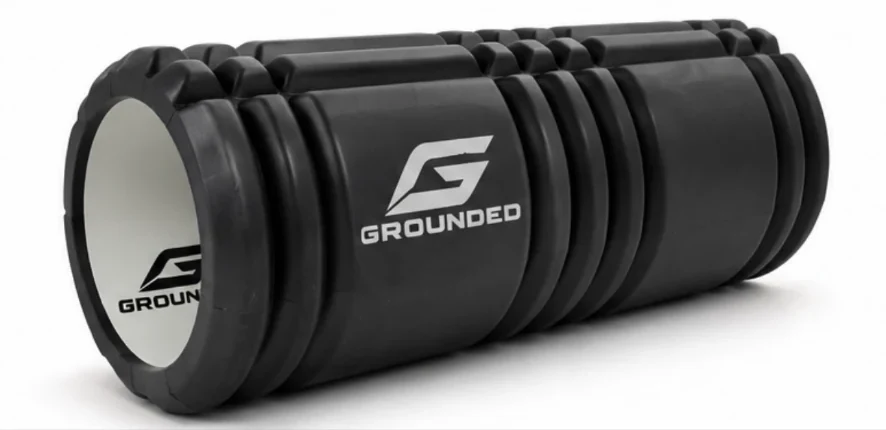
Grounded Foam Roller
High-density, textured and kit-bag sized for regular training.
View the Foam Roller
Grounded Recovery Kit
Foam roller, massage ball, mini bands and long band in one carry bag.
View the Recovery KitQuestions
Is a high-density foam roller too hard for beginners?
Not if you control pressure by supporting your weight. Very sensitive users may prefer soft.
How long does a foam roller last?
High-density rollers typically last years; soft ones can compress within months of regular use.
General education only, not medical advice. For pain, injury or a medical condition, see a physiotherapist or doctor.
Related reading across Grounded
Explore the Grounded knowledge base