

Sports Recovery Hub · Methods
Ice Bath Recovery: Benefits, Risks and Timing
When cold water immersion helps, when it may not, and how to use it safely.
How Grounded earns trust
Evidence explained. Limits made clear.
Editorial approach. We link original research, separate findings from practical interpretation and state when evidence is limited.
Athlete safety. Our content is general education, not diagnosis or medical advice. Pain and injury need qualified assessment.
Quick answer
The short version
- Can reduce perceived soreness
- May blunt gym gains if used after every strength session
- Most useful between closely spaced games
Cold water immersion is popular with rugby, GAA and football squads — and with anyone who has jumped into the Irish sea after a match. It can reduce how sore you feel, but it isn’t right for every situation.
When it can help
When games are close together, or during a heavy block where feeling fresh matters more than maximum adaptation.
When to skip it
In a 12-week study, men who used cold water immersion after each strength session gained less strength and muscle than those who did an active cool-down instead. If building strength is the goal, keep it away from gym days.
Doing it safely
- Keep sessions short and the water cool rather than freezing
- Never alone in open water
- Avoid if you have heart conditions or cold sensitivity without medical advice
- Warm up gradually afterwards
External references

Grounded Recovery Kit
Foam roller, massage ball, mini bands and long band in one carry bag.
View the Recovery Kit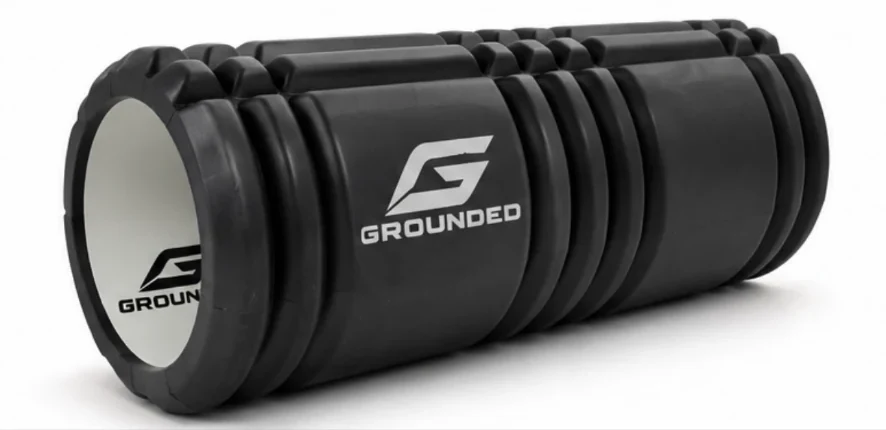
Grounded Foam Roller
High-density, textured and kit-bag sized.
View the Foam RollerQuestions
Are ice baths good for recovery?
They can reduce soreness; they are optional.
Ice bath or sea swim?
Both provide cold exposure. Open water carries extra safety risks.
General education only, not medical advice. For pain, injury or a medical condition, see a physiotherapist or doctor.
Related reading across Grounded
Explore the Grounded knowledge base