
Hamstring Recovery Guide
Load, mobility and recovery principles for resilient hamstrings.
What you'll learn
- Why hamstrings are a priority in field sports
- The role of progressive strength
- When to seek clinical help
The problem
Hamstring tightness and hamstring injury are not the same thing. Repeated stretching alone does not build the strength or load tolerance demanded by sprinting.
What the research says
Evidence in context
~50% lower
Including the Nordic hamstring exercise in injury prevention programmes halves the rate of hamstring injuries: a systematic review and meta-analysis of 8459 athletes
Adding Nordic hamstring curls to a team's strength/prevention program roughly halves hamstring injury rates — one of the strongest single-exercise injury-prevention effects in sports science, directly relevant to GAA, soccer, and rugby.
Research supported
Epidemiology and moderators of injury in Gaelic football: A systematic review and meta-analysis
For GAA-specific recovery/prevention programming, hamstring and other lower-limb muscle injuries should be the top priority, and match-day preparation (warm-up, hamstring strength work) deserves more attention than training-day load alone.
Grounded summarises peer-reviewed sports science in simple language. Recovery tools support good training habits—they do not replace sleep, nutrition or structured training.
Grounded Recommendation
Keep the main thing the main thing.
Treat recurring or acute symptoms with qualified guidance. For prevention, combine progressive sprint exposure and hamstring strength with sensible load management.
Step-by-step routine
- 01Begin with pain-free walking or cycling
- 02Add controlled hip and hamstring mobility
- 03Progress strength under professional guidance
- 04Reintroduce speed gradually
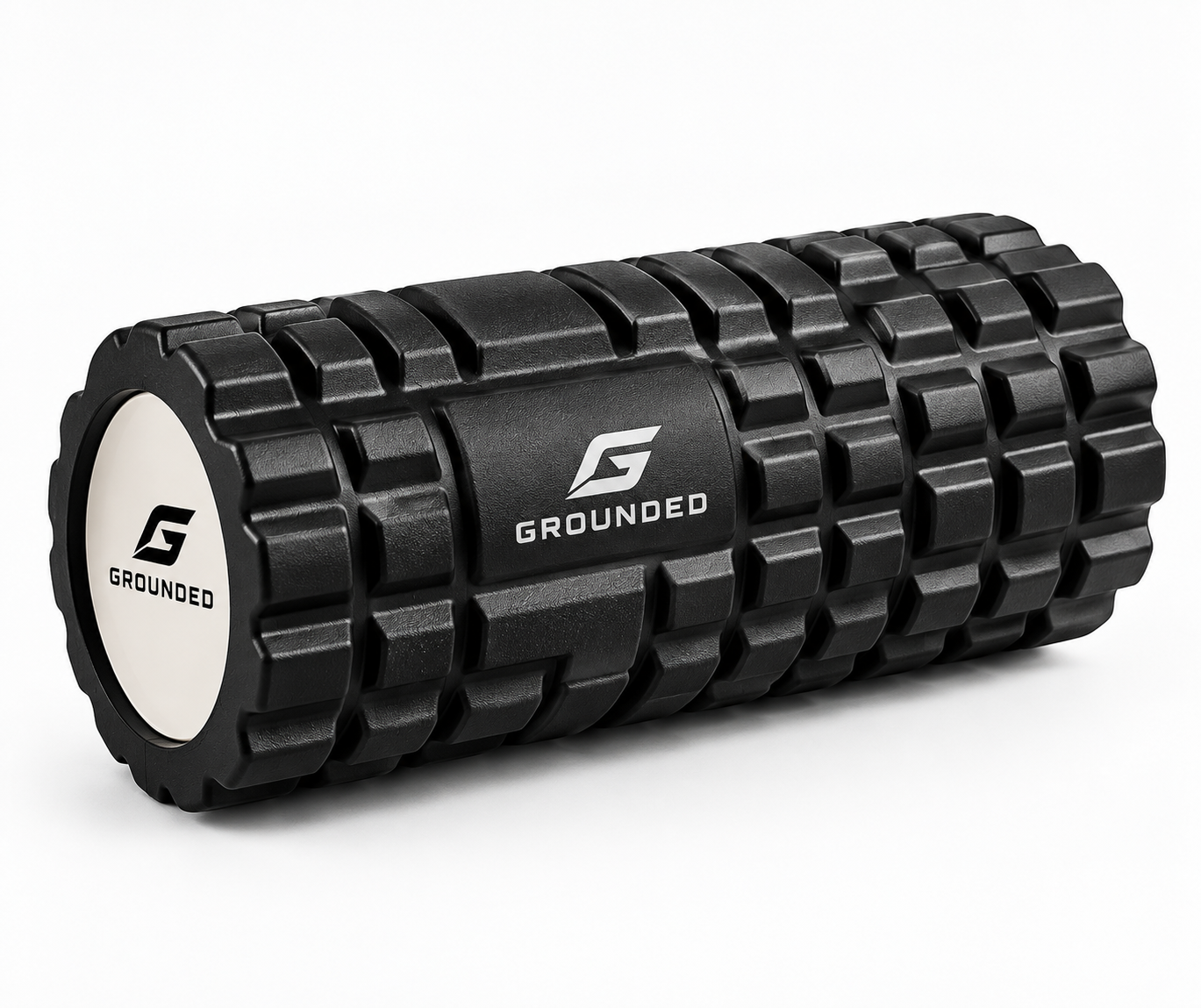
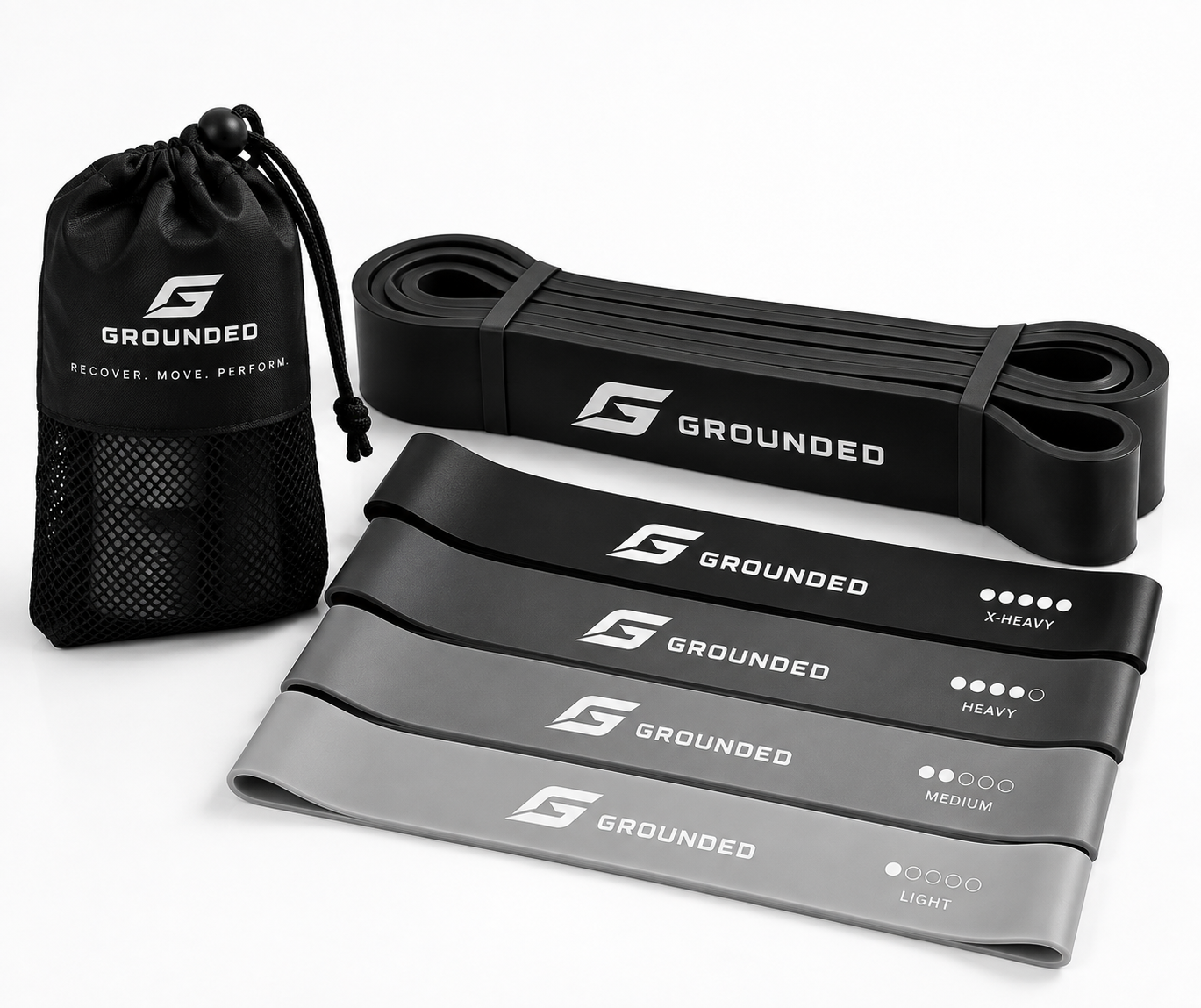
Equipment that can help
Recommended because it fits the routine—not as a replacement for the fundamentals.
Frequently asked questions
Can I train with a sore hamstring?
Sharp pain, weakness or altered running needs assessment. Do not use equipment to mask symptoms.
Do Nordic curls prevent hamstring injuries?
A major meta-analysis found programmes including them reduced injury rates, though gradual progression and compliance matter.
How long should a recovery routine take?
Ten focused minutes can be useful when the routine matches the session and is repeated consistently.
Should recovery work feel painful?
No. Use tolerable pressure and controlled movement. Stop if pain is sharp, worsening or unusual.
Can recovery tools replace sleep and nutrition?
No. Tools support good habits; they do not replace sleep, nutrition or structured training.
Continue learning
Related articles
Recovery notes