

Electrolytes & Hydration Hub · Fundamentals
Sodium for Athletes
Why sodium matters, how much you lose and how to spot a salty sweater.
How Grounded earns trust
Evidence explained. Limits made clear.
Editorial approach. We link original research, separate findings from practical interpretation and state when evidence is limited.
Athlete safety. Our content is general education, not diagnosis or medical advice. Pain and injury need qualified assessment.
Quick answer
The short version
- Sweat sodium varies widely between people
- White salt marks on kit suggest a salty sweater
- General population advice still applies on rest days
Sodium gets a bad reputation in general health advice, but athletes who sweat heavily can lose substantial amounts in training.
How much is lost
Sweat sodium concentration differs greatly between individuals, so two teammates can lose very different amounts in the same session.
Are you a salty sweater?
- White streaks on dark kit or caps
- Sweat that stings the eyes
- Salty taste on the skin after training
Getting sodium
Around demanding sessions: electrolyte drinks or salty food. On rest days, follow normal dietary advice. Athletes with high blood pressure or kidney conditions should seek medical advice.
External references
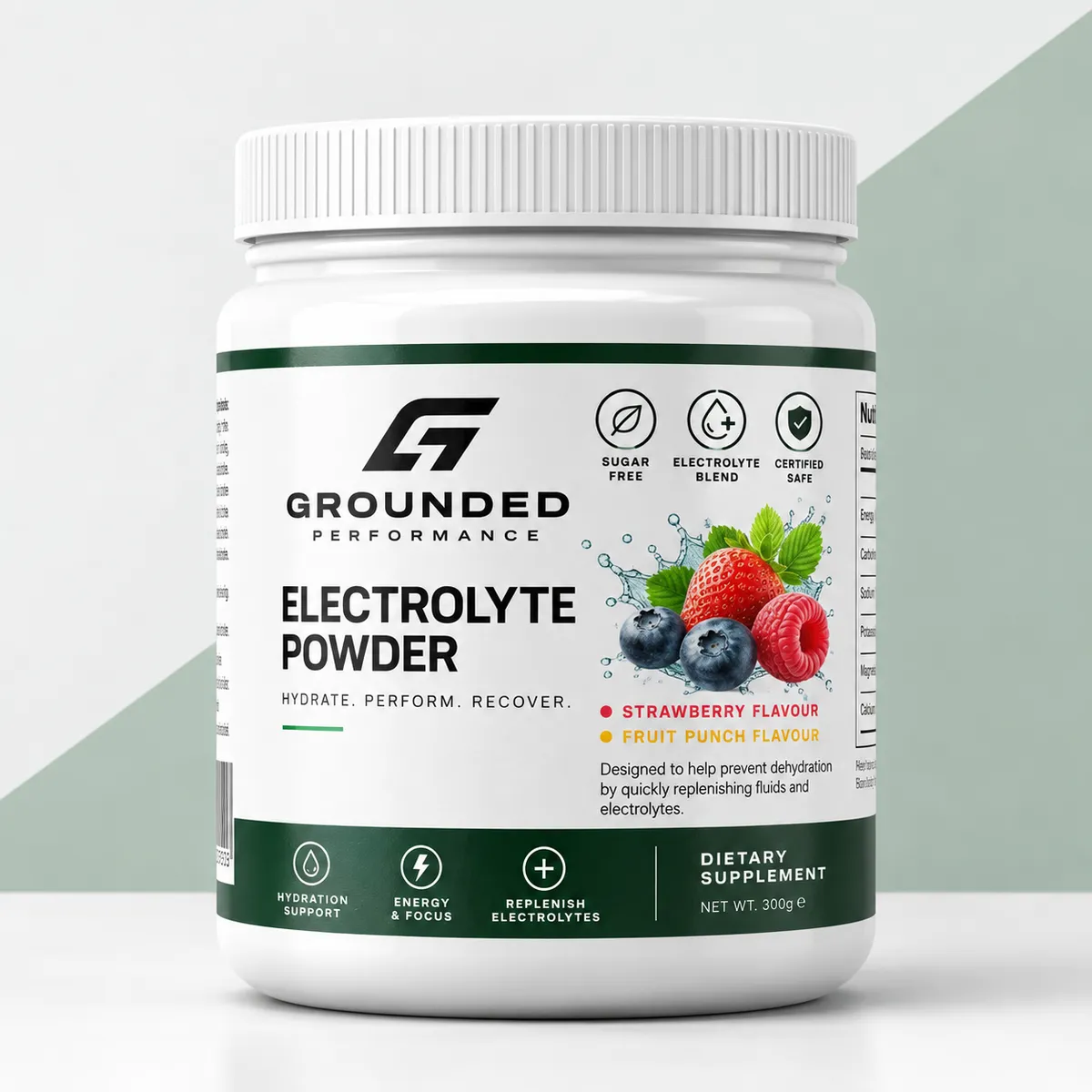
Grounded Electrolytes
Launching soon. Join the waiting list to hear first.
Join the waiting list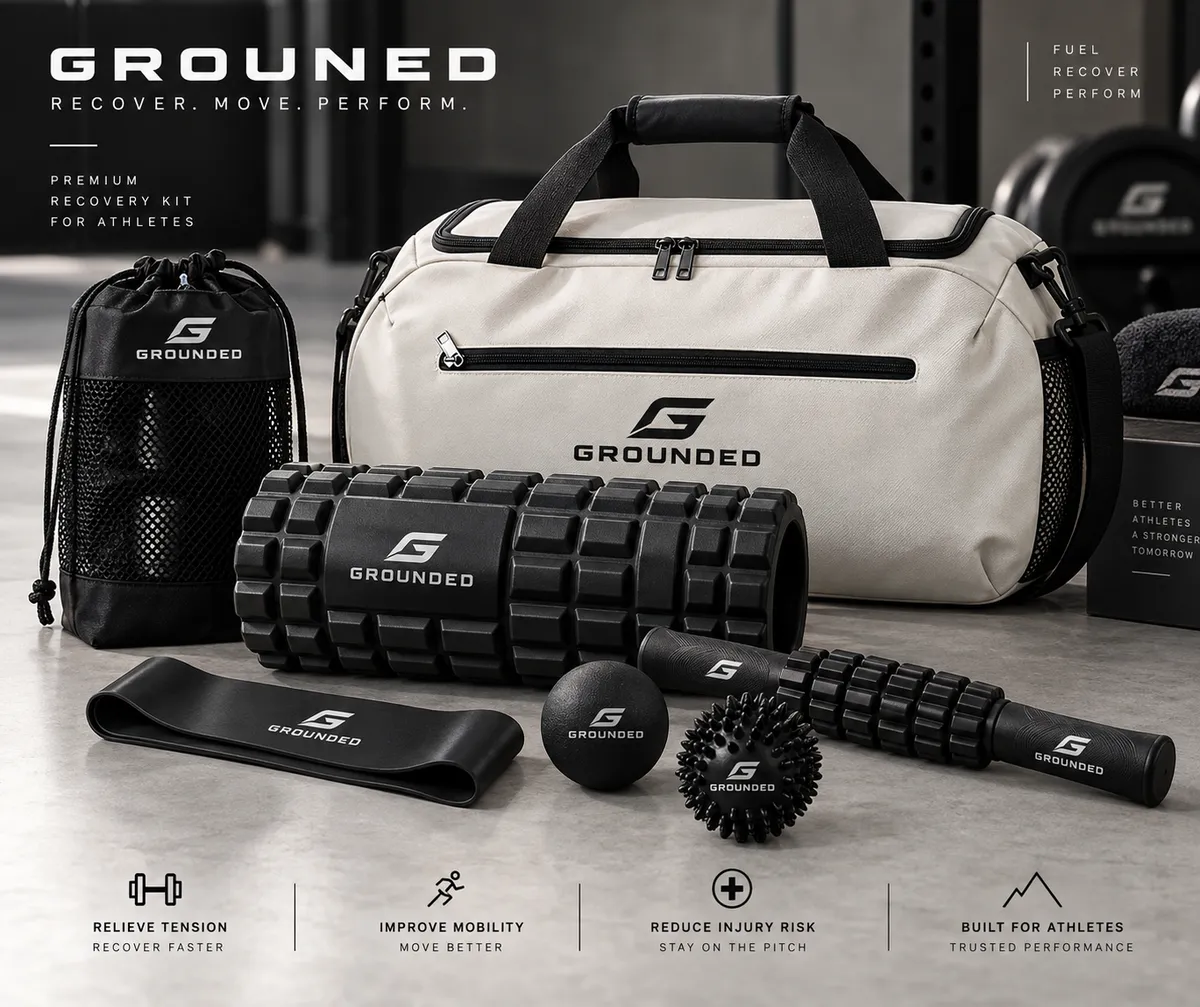
Grounded Recovery Kit
Foam roller, massage ball, mini bands and long band in one carry bag.
View the Recovery KitQuestions
How much sodium do athletes need?
It varies with sweat rate and sweat sodium. Heavy, salty sweaters need more around training.
Is salt bad for athletes?
Not in the context of heavy sweating, but everyday intake guidance still matters.
General education only, not medical advice. People with heart, kidney or blood pressure conditions should seek medical advice before changing sodium or fluid intake.
Explore the Grounded knowledge base